05-2024
Shaping Human-AI Relationships – Exploring the Design Space through Performative Methods
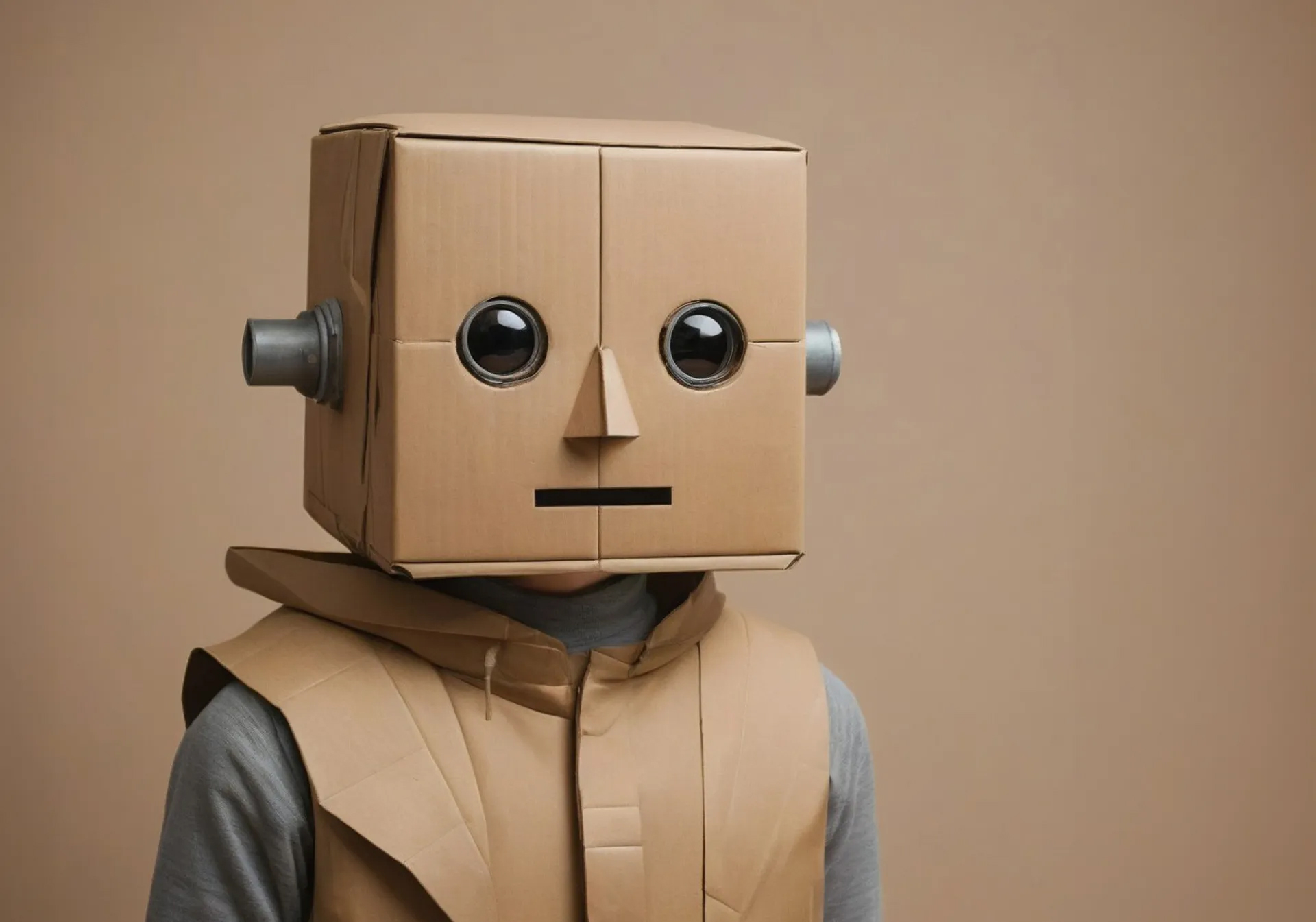
As Artificial Intelligence (AI) technologies become embedded in our everyday life, the way we design human-AI interactions directly shapes how these systems are perceived and understood. This five-day workshop „Shaping Human–AI Relationships – Exploring the Design Space through Performative Methods“, held during HfG Schwäbisch Gmünd’s international seminar week in summer 2024, explored how performative, experimental methods can support the reflective design of these interactions.
Through roleplay, improvisation, and object-centered perspectives, students engaged with the social and ethical dimensions of AI systems. The workshop began with Acting Out AI Systems [1], where students embodied elements of a sensor-based AI system to understand basic technical concepts. The following sessions introduced methods such as Thing Ethnography [2], Object Persona [3], and Techno-Mimesis [4], shifting focus from user-centered design to the perspective of the AI system itself.
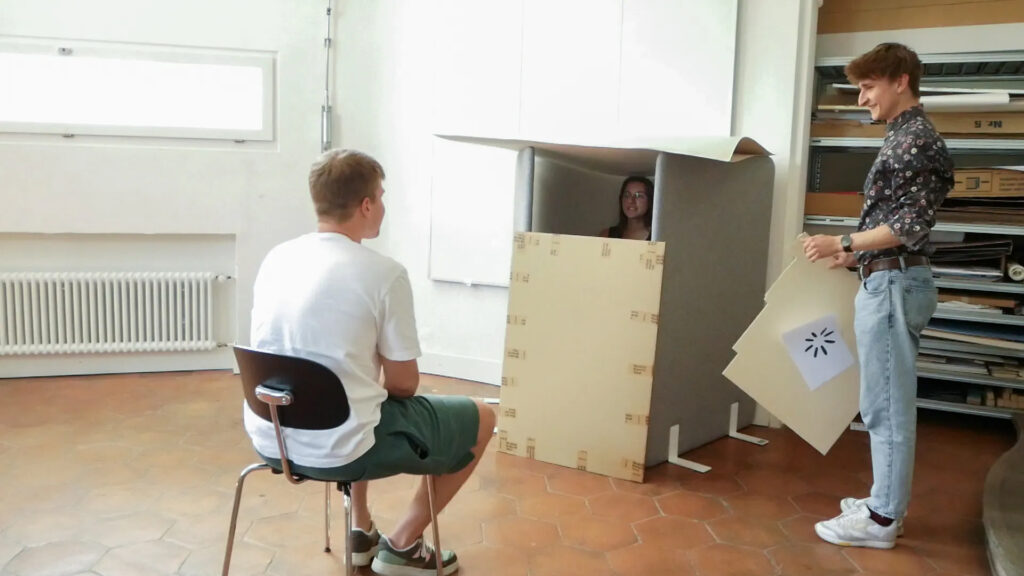
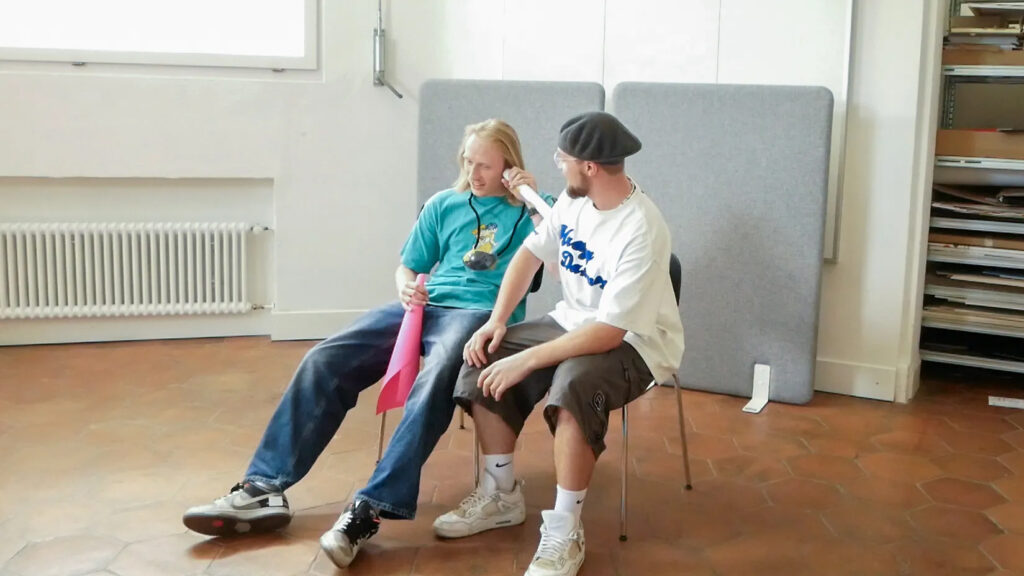
Students roleplaying a fitness tracking system and a virtual companion system.
A custom Slot Machine was used to generate randomized interaction scenarios, prompting students to examine the influence of system behavior on user experience and ethical implications.
In the final phase, students applied their insights to create speculative AI systems—ranging from critical reflections to solution-oriented proposals—culminating in an exhibition.
Designed as a low-threshold, practice-based introduction to AI, the workshop balanced conceptual exploration with accessible engagement, using performative methods to address technical complexity without requiring prior technical expertise.
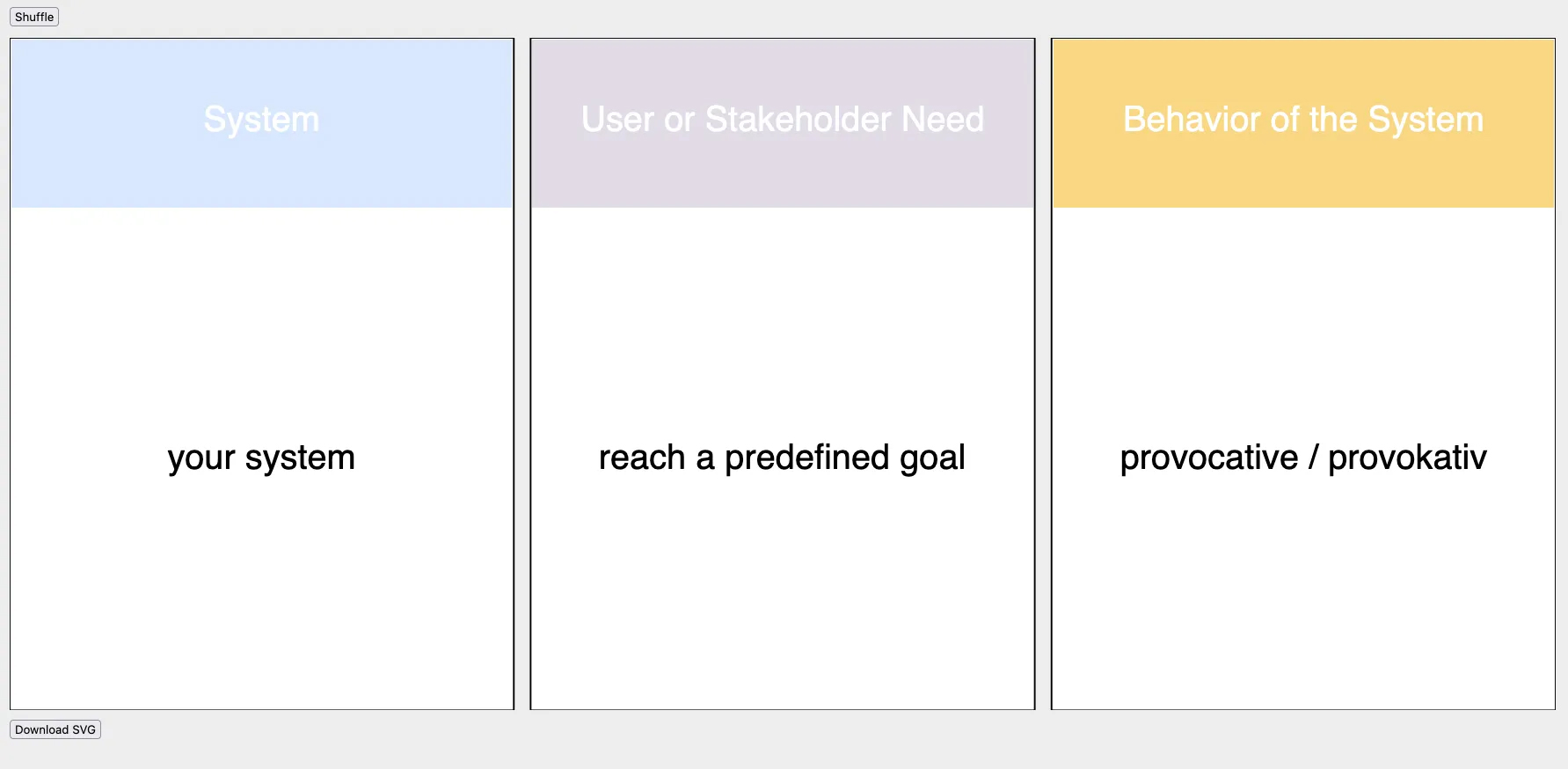
Slot Machine used to generate randomized scenarios.
References:
[1] Rahel Flechtner and Jakob Kilian. 2024. Making (Non-)Sense—A Playful and Explorative Approach to Teaching AI Intuition for the Design of Sensor-Based Interactions. In Proceedings of the 6th Annual Symposium on HCI Education (EduCHI ‘24). Association for Computing Machinery, New York, NY, USA, Article 9, 1–9. https://doi.org/10.1145/3658619.3658643
[2] Elisa Giaccardi, Nazli Cila, Chris Speed, and Melissa Caldwell. 2016. Thing Ethnography: Doing Design Research with Non-Humans. In Proceedings of the 2016 ACM Conference on Designing Interactive Systems (DIS ‘16). Association for Computing Machinery, New York, NY, USA, 377–387. https://doi.org/10.1145/2901790.2901905
[3] Nazli Cila, Elisa Giaccardi, Fionn Tynan-O’Mahony, Chris Speed, & Melissa Caldwell. 2015. Thing-Centered Narratives: A study of object personas. In Proceedings of the 3rd seminar international research network for design anthropology (pp. 1-17)
[4] Judith Dörrenbächer, Diana Löffler, and Marc Hassenzahl. 2020. Becoming a Robot – Overcoming Anthropomorphism with Techno-Mimesis. In Proceedings of the 2020 CHI Conference on Human Factors in Computing Systems (CHI ‘20). Association for Computing Machinery, New York, NY, USA, 1–12. https://doi.org/10.1145/3313831.3376507


